



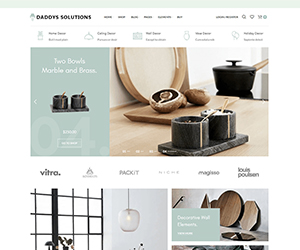


When you visit a website that looks clean, responsive, and visually engaging, chances are CSS (Cascading Style Sheets) is doing most of the heavy lifting. While HTML provides the structure of a webpage, CSS is responsible for how that structure looks and feels. In modern web design, CSS is not just about colors and fonts—it’s a powerful tool that shapes user experience.

What Is CSS and Why Is It Important?
CSS is a styling language used to control the layout, appearance, and responsiveness of web pages. It allows designers and developers to separate content from presentation, making websites easier to maintain and scale.
Without CSS, websites would be plain blocks of text and images. With CSS, you can:
Apply consistent design across multiple pages
Improve readability and accessibility
Create responsive layouts for different devices
Enhance user interaction with animations and transitions
How CSS Improves User Experience
Good web design is about usability as much as aesthetics. CSS plays a key role in both.
1. Visual Hierarchy
CSS helps guide users’ attention by controlling font sizes, colors, spacing, and alignment. Headings stand out, buttons look clickable, and important content becomes easier to find.
2. Responsive Design
With techniques like media queries, Flexbox, and Grid, CSS enables websites to adapt smoothly to mobile phones, tablets, and desktops—essential in today’s mobile-first world.
3. Faster Load Times
Well-written CSS reduces the need for heavy images and scripts, improving page speed. Faster websites lead to better SEO rankings and happier users.
Modern CSS Features Every Designer Should Know
CSS has evolved significantly over the years. Some modern features that are widely used today include:
Flexbox – Ideal for one-dimensional layouts like navigation bars
CSS Grid – Perfect for complex, two-dimensional layouts
Custom Properties (CSS Variables) – Make theme changes easy and maintainable
Transitions and Animations – Add subtle motion for better interactivity
Media Queries – Enable responsive and adaptive designs
Best Practices for Using CSS in Web Design
To get the most out of CSS, follow these best practices:
Keep styles modular and reusable
Use meaningful class names
Avoid excessive inline styles
Organize your CSS for readability
Test designs across different screen sizes and browsers

Conclusion
CSS is the backbone of modern web design. It transforms raw HTML into visually appealing, responsive, and user-friendly websites. Whether you’re a beginner learning the basics or a designer refining advanced layouts, mastering CSS is essential for creating professional-quality web experiences.
As the web continues to evolve, CSS remains one of the most valuable skills in a web designer’s toolkit.