



The world of web development is changing rapidly—and at the heart of this revolution are Low-Code and No-Code platforms. These tools are democratizing software creation, allowing anyone, regardless of technical expertise, to build, deploy, and iterate on websites and apps faster than ever before. For businesses eager to innovate or individuals with great ideas but limited coding skills, this movement is a game changer.
What Are Low-Code and No-Code Platforms?
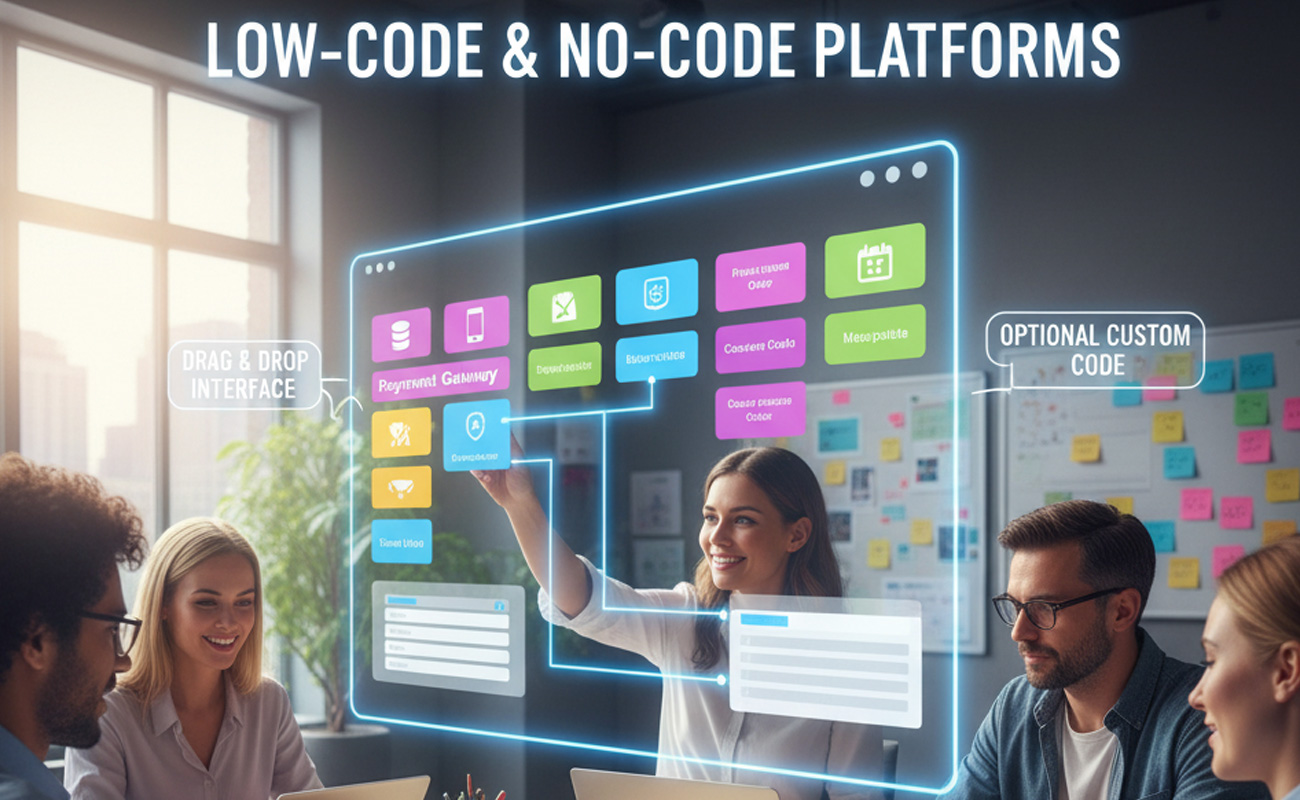
Low-Code and No-Code platforms provide visual development environments where users piece together applications from prebuilt elements, templates, and automation tools.
Low-code tools make basic coding optional for adding custom features.
No-code tools require zero programming, relying entirely on drag-and-drop interfaces.
These platforms connect business professionals and IT departments, empowering teams to create custom workflows, apps, and sites without dependencies on traditional development cycles. As these tools mature, they're now able to handle everything from simple marketing websites to enterprise-grade business processes and even complex, data-driven apps.
Why Are They Trending In 2025?
Several factors are fueling the widespread adoption of Low-Code and No-Code platforms:
Speed and Agility: Apps are now being built up to 90% faster compared to traditional coding. This allows organizations to rapidly adapt to changing market demands and launch new features ahead of competitors.
Bridging the Talent Gap: With developer shortages a global concern, non-technical "citizen developers" can now build what they need, reducing bottlenecks and IT backlogs.
Cost Savings: By simplifying development and empowering more team members, businesses see significant reductions in project and maintenance costs.
AI-Driven Innovation: Many modern platforms now feature AI-powered code suggestions, workflow design, and automated testing, further simplifying and accelerating app delivery.
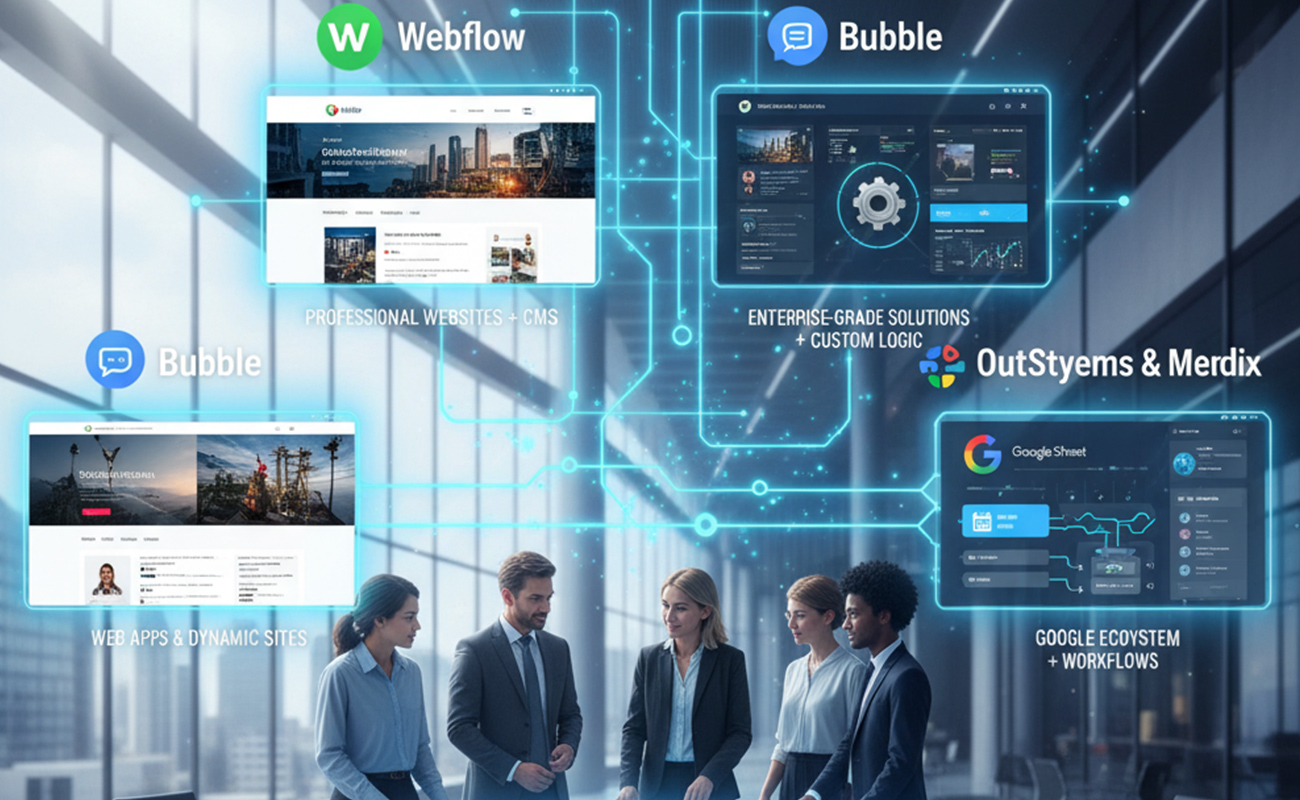
Enterprise-Scale Solutions: No longer limited to prototypes, top platforms like OutSystems, Mendix, Bubble, and Webflow now support scalability, security, and integration with legacy systems for enterprise needs.
Real-World Impact
Organizations across industries are harnessing Low-Code and No-Code to drive digital transformation:
Healthcare: Streamlining patient management, tracking responses, and deploying telemedicine solutions.
Education: Schools develop virtual classrooms and automate administration with minimal IT resources.
Retail & E-commerce: Businesses launch storefronts, customer loyalty apps, and mobile solutions rapidly.
The Future: Inclusive, Fast, and Limitless
Low-Code and No-Code platforms break down barriers, enabling faster innovation while making development accessible to everyone. Whether for simple landing pages, business automation, or managing enterprise processes, these tools are reshaping what it means to build for the web in 2025 and beyond.
By embracing Low-Code and No-Code solutions, organizations and individuals alike can unlock a new level of creativity, efficiency, and competitive advantage—no advanced coding skills required.